
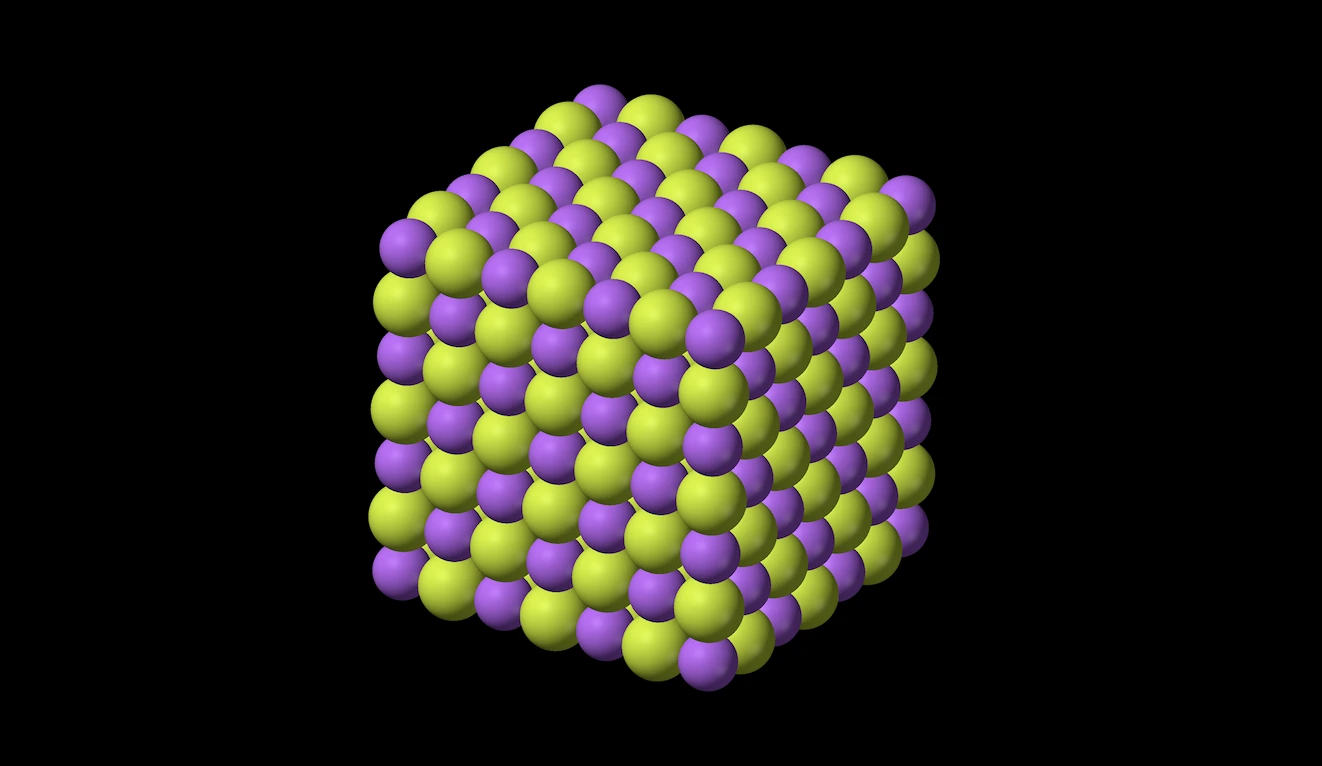
Sodium fluoride (NaF) in 2% concentration (pH 7) is recommended for use as professionally applied topical fluoride. The present preparation was developed by Knutson, hence, it is also referred as Knutson's technique.
Preparation: It can be prepared by dissolving 2gm of NaF powder in 100ml (20gm in 1L) of distilled water.
Storage: The prepared solution should be stored in plastic bottle. If stored in glass container, the fluoride ion of the prepared solution can react with silica of glass forming silicon fluoride (SiF2), resulting in reduced availability of free active fluoride and hence, reduced anti-caries activity.
Mechanism of Action
When sodium fluoride solution is applied on the tooth surface, it reacts with the hydroxyapatite crystals rapidly to form calcium fluoride.
Ca10[PO4]6[OH]2 + 20F- <--> 10CaF2 + 6PO4- + 2OH-
The calcium fluoride dissolves slowly in oral fluids and forms Ca2+ and F- ions.
CaF2 --> Ca2+ + 2F-
The F- ions reacts with hydroxyapatite to form fluoridated hydroxyapatite.
CaF2 + 2Ca5[PO4]3OH --> 2Ca5[PO4]3F + Ca(OH)2
This increases the concentration of surface fluoride, making the tooth structure more stable, and surface more resistant to caries attack. It also helps in remineralisation of the initial decalcified areas.
Choking off phenomenon: There is formation of a thick layer of CaF2 that results in drastic reduction in the rate of reaction of sodium fluoride and hydroxyapatite crystals, after the initial rapid reaction. The thick layer interferes with the further diffusion of fluoride from aqueous solution to react with hydroxyapatite crystals.
Method of Application
2% Sodium fluoride is recommended in a series of 4-weekly applications given at ages 3, 7, 11, and 13 years, that coincides with the eruption of different groups of primary and permanent teeth.
- Oral prophylaxis is done only in first visit.
- The teeth can be selected quadrant wise. The teeth should be cleaned, dried with compressed air and isolated with cotton rolls.
- 2% aqueous NaF solution is applied with cotton applicator and kept wet for 3-4 minutes.
- The procedure is repeated for remaining quadrants.
- Second, third and fourth applications are recommended at intervals of approximately 1 week and should be preceded by cleaning and polishing.
- After each appointment, instruct the patient to avoid eating, drinking or rinsing for 30 minutes, so as to have a prolonged availability of fluoride ions.
Advantages
- Relatively stable when stored in plastic containers.
- Acceptable taste.
- Non-irritating to gingiva and does not cause discoloration of tooth structures.
Disadvantages
- Patient has to make four visits in a relatively short period of time.
- The expected caries reduction is not satisfactory (20-25%).
References
- C. M. Marya - A Textbook of Public Health Dentistry, Jaypee Brothers Medical Publishers (P) Ltd (2011). https://amzn.to/3SHP36G
- S. S. Hiremath - Textbook of Public Health Dentistry, Elsevier India (2016). https://amzn.to/49mh2jw
- The image used is available in public domain (Source : Wikimedia Commons, Author : Benjah-bmm27).
*This article is an excerpt from the above mentioned books and Medical Sutras does not make any ownership and affiliation claims.