
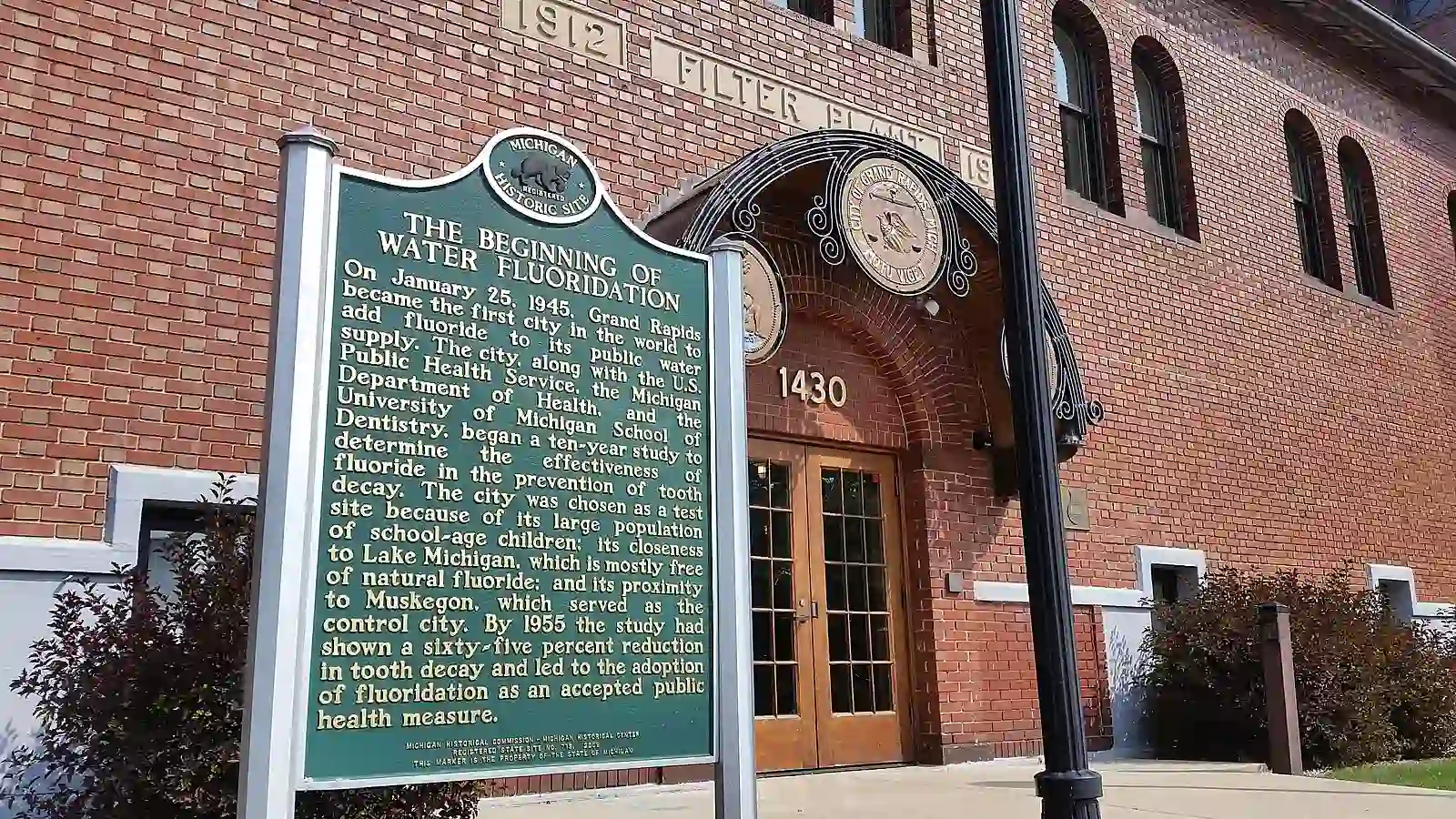
School water fluoridation refers to the adjustment of fluoride concentration of a school's water supply to provide maximum cariostatic effect for the developing dentition and prevent dental caries.
Recommended fluoride concentration
The recommended fluoride concentration is usually 4.5-5.5 ppm. It is usually 4-6 times the optimum concentration recommended for that place, since,
- Children only spend 6-7 hours at school and thus, school water comprise only small part of the daily water intake.
- Children may not attend the school throughout the year.
- Frequency of drinking water in school by children is variable.
Advantages
- Alternative to community water fluoridation in areas where fluoridation of community water is not feasible, and, in areas not having central water supply.
- Children are in the developmental phase, and caries incidence is high.
- Economical.
Disadvantages
- Limited pre-eruptive protective benefits to the primary teeth : Most children do not receive the benefits until they begin school (5-6 years age). By 6 years of age all teeth (except 3rd molars) are in advanced stage of mineralisation, thus reducing the pre-eruptive benefits of fluoride.
- Intermittent fluoride exposure : Most children who attend school for 5-6 hrs are actually in school less than 180 days in a year and do not receive complete effect of fluoride.
- Need cooperation from the school authorities and acceptance from the parents.
References
- C. M. Marya - A Textbook of Public Health Dentistry, Jaypee Brothers Medical Publishers (P) Ltd (2011). https://amzn.to/3SHP36G
- S. S. Hiremath - Textbook of Public Health Dentistry, Elsevier India (2016). https://amzn.to/49mh2jw
- The image used is licensed under Creative Commons Attribution-Share Alike 4.0 International license. (Author : Staircase1, Source : Wikimedia Commons).
*This article is an excerpt from the above mentioned books and Medical Sutras does not make any ownership and affiliation claims.