
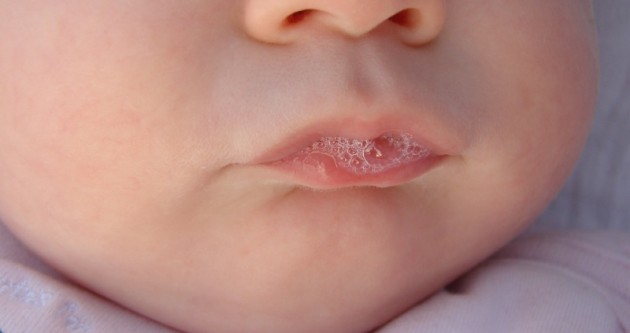
The integrity of the enamel is highly dependent on the composition and chemical behaviour of the surrounding environment, and as the teeth are in constant contact with saliva, it plays an important role in the dental caries process.
The various factors involved in determining the role of saliva in dental caries include,
- Composition.
- pH.
- Buffering capacity.
- Viscosity.
- Antibacterial properties.
- Quantity.
Composition of saliva
The composition of saliva varies from one individual to another and does not exhibit any constant relation to the blood composition.
-
Inorganic constituents: Calcium, sodium, magnesium, potassium, carbonate, chloride, phosphate, fluoride, etc.
-
Organic constituents: Carbohydrates (glucose), Lipids (Cholesterol, lecithin), nitrogen, ammonia, nitrites, urea, amino acids, proteins (globulin, mucin, total protein), peroxide etc.
-
Enzymes: Carbohydrases, amylase, maltase, trypsin, catalase, oxidase, etc.
-
Calcium and phosphate in the saliva forms an important natural defense mechanism against dissolution of teeth.
- At equilibrium, the saliva as a solution is saturated and the ion activity product (IAP) is same as the solubility product (Ksp), and hence, the saturation index (SI) is zero. This means that the mineral is in equilibrium with the solution and the rates of dissolution and precipitation are equal to one another.
- Under normal circumstances, saliva is supersaturated with respect to enamel, which not only prevents dissolution of the enamel, but also leads to precipitation of the apatite crystals on the the enamel surface of carious lesions.
pH of saliva
The normal pH of saliva ranges between 6.8-7.2 (average 7).
- Critical pH : Refers to the pH at which any particular saliva ceases to be saturated with calcium and phosphate, and below this pH, the inorganic material of the tooth may dissolve.
- It is usually 5.5, but varies with calcium and phosphate concentration.
- Decrease in pH i.e., increasing concentration of hydrogen ions in the plaque, causes more phosphate ions to leave the solid apatite phase.
- Increase in pH is associated with an increase in the fraction of the total phosphate present as PO3-4 ions and an increase in hydroxyl ions.
Buffer capacity of saliva
In saliva, the chief buffer systems are bicarbonate carbonic acid (HCO3-/H2CO3, pk1 = 6.1) and phosphate (HPO4- or H2PO4- , pK2 = 6.8). Variations in the bicarbonate concentration are the chief determinants of salivary pH. It also plays a significant role in the dental caries process, as the bicarbonate in saliva is able to diffuse into the dental plaque to neutralise the acid formed from carbohydrate by the microorganisms.
(*pK marks the points on the curve where the pH changes the least.)
Saliva is said to be poorly buffered (with a pH as low as 5.3) when the bicarbonate concentration is low, as seen in unstimulated saliva, whereas, at high flow rates, the salivary bicarbonate concentration may reach as high as 60mM and this type of saliva is well buffered (with pH as high as 7.8).
- Most of the CO2 in saliva is in the form of bicarbonate, carbonate and dissolved CO2. When saliva is exposed to atmospheric air in the mouth, there is a loss of dissolved CO2 by virtue of the volatile nature of CO2. Also, there is further loss of CO2 due to the presence of carbonic anhydrase in saliva.
- The loss of CO2, in effect, removes the acid element of the bicarbonate carbonic acid system and reduces the change in the ratio of bicarbonate to carbonic acid. This leads to an increase in pH of the saliva.
- The rapid loss of CO2 from freshly secreted saliva and the rise of pH is sufficient to cause the solubility product for hydroxyapatite to be exceeded leading to precipitation of this compound as well as other calcium phosphate salts.
- These properties of saliva may be the reason why calculus formation is greatest in the area approximating the orifices of the parotid and submandibular salivary gland ducts.
- Dialysis of saliva, which removes both bicarbonate and phosphate but not proteins, results in total loss of salivary buffering capacity. This indicates that salivary proteins can be disregarded as buffers in saliva.
Viscosity of saliva
The viscosity of saliva is largely due to the mucin content, derived from the submandibular, sublingual and minor salivary glands.
- There have not been sufficient studies to support the significance of viscosity of saliva in relation to the dental caries.
- Patients with thick, ropy saliva were invariably found to have poor oral hygiene, and teeth covered with stain or plaque. The rate of dental caries in such patients ranged from greater than average to rampant.
Antibacterial properties
Green reported a bacteriolytic factor in the saliva of caries immune persons, which was absent in saliva from caries susceptible ones. This factor was found active against lactobacilli and streptococci and appeared to exert its lytic effects on cells commencing the process of division. Further studies indicated that the factor was a protein associated with globulin fraction of saliva.
Lysozyme (N-acetylmuramide glycanohydrolase)
- It is a hydrolytic enzyme that cleaves the beta-1-4 linkage between N-acetylglucosamine and N-acetylmuramic acid (forms the repeating disaccharide unit of the cell wall peptidoglycan).
- Lysozyme can lyse many cariogenic and non-cariogenic streptococci in the presence of sodium lauryl sulphate (a detergent).
- It has been found that the lysozyme activity is significantly greater in a group of caries free preschool children than in a caries susceptible group.
Salivary peroxidase system
- Consists of salivary peroxidase and thiocynate (SCN-) secreted by the salivary glands.
- These acts on hydrogen peroxide generated by certain bacteria and catalyses the oxidation of the thiocynate to hypothiocyanate (OSCN-) ions.
- The OSCN- reacts readily with sulfhydril compounds of low molecular weight and thereby inactivates many bacterial enzymes of the glycolytic pathway and inhibit their growth.
- The system is known to be inhibitory towards L. acidophilus and S. cremoris, by preventing cells from accumulating lysine and glutamic acid (essential for growth).
Immunoglobulins
- The predominant immunoglobulin class in saliva is secretory IgA (sIgA).
- Salivary IgA differs from serum IgA, as it is synthesised by two different cell types : Plasma cells forms polymeric IgA containing J chain and glandular cells synthesise a glycoprotein secretory component (SC).
- The presence of SC makes IgA resistant to proteolytic enzymes.
- Purified salivary IgA and IgG fractions have been found with agglutinating activity against oral isolates of haemolytic streptococci.
Quantity of saliva
- The quantity of saliva secreted in a given period of time may influence the caries incidence, since the saliva plays an important role in the removal of bacteria and food debris from the mouth.
- A restriction in salivary flow, such as in cases of salivary gland aplasia and xerostomia, leads to exacerbation of dental caries. Also, the accumulation of dental plaque becomes more rapid in patients with xerostomia.
- Under normal conditions, salivary flow is almost entirely under parasympathetic neural control. The secretion resulting from parasympathetic stimulation is profuse and watery, while sympathetic stimulation causes a scanty secretion of thick, mucinous juice.
References
- Shafer, Hine, Levy Shafer's Textbook of Oral Pathology (7th Edition), Editors - R Rajendran, B Sivapathasundharam, Elsevier.
- The image used is licensed under the Creative Commons Attribution-Share Alike 4.0 International license. (Author : Pereru, Source : Own work, Wikimedia commons).
*This article is an excerpt from the above mentioned book and Medical Sutras does not make any ownership or affiliation claims.