
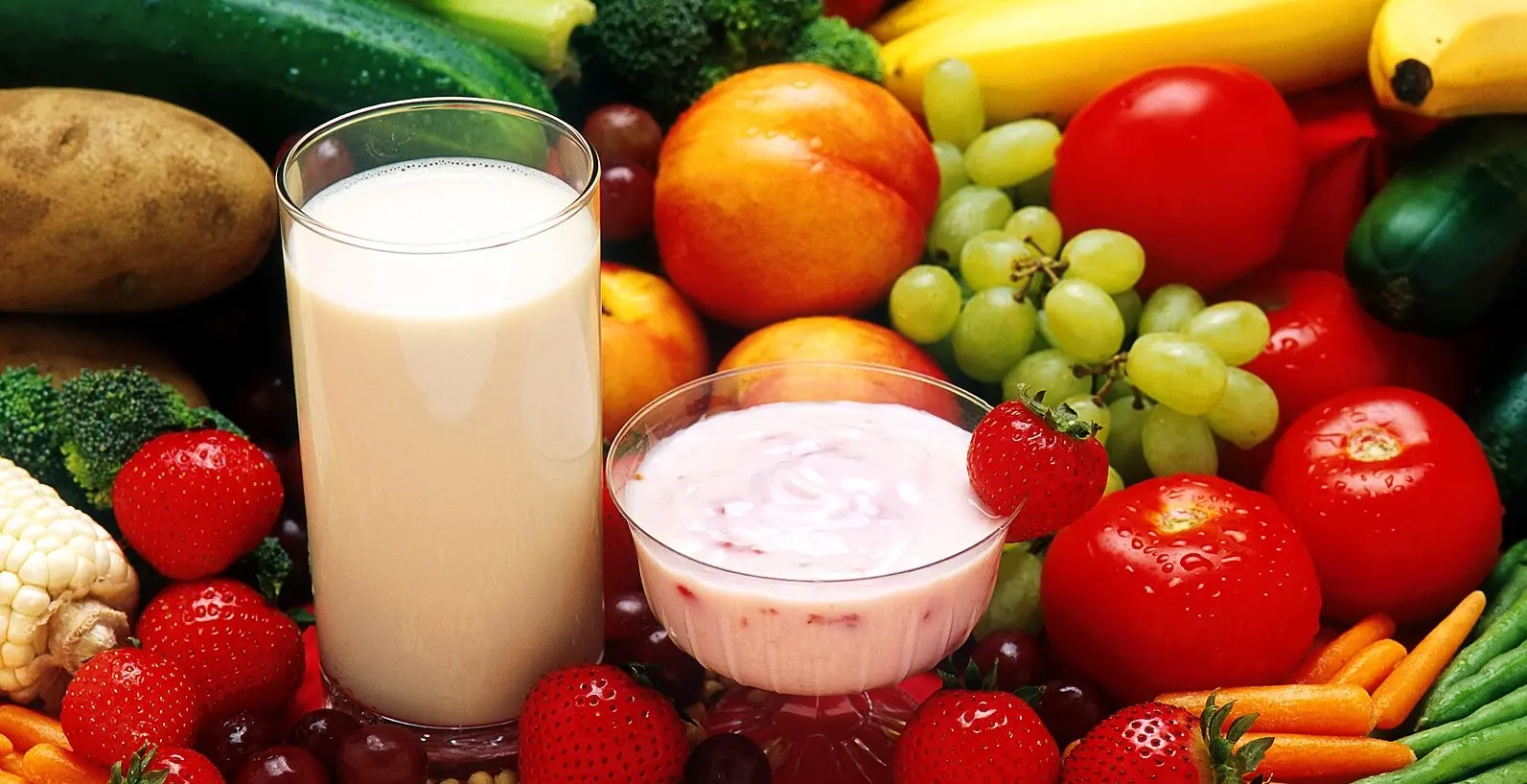
Differences in caries incidence have been observed among populations with distinct dietary habits. The two important factors to be considered are physical nature and chemical composition of the diet.
Physical nature
Primitive humans: Predominantly raw unrefined diet containing large amount of roughage.
- Cleanses the teeth of adherent debris during the usual masticatory excursions.
- Presence of soil & sand in incompletely cleaned vegetables leads to severe attrition of occlusal and proximal surfaces of teeth.
- Low sucrose content, except for small amounts found in fruits and vegetables.
Modern diet: Consists of soft refined food.
- Tends to cling tenaciously to the teeth, not removed due to lack of roughage.
- Reduction in mastication due to the softness of the diet.
Chemical composition
The presence of carbohydrate has been almost universally accepted as one of the most important factors in the dental caries process.
Other dietary components include lipids and vitamins.
Carbohydrates
The major carbohydrates present in human diets are starches, sucrose and some lactose, with less glucose, fructose and maltose.
- Sucrose is unique, as it serve in the formation of extracellular polysaccharides, that enhances plaque formation and bacterial aggregation on the tooth surface.
- Maltose, lactose, fructose and glucose can be used by the oral flora for the synthesis of bacterial cell walls, capsular and intracellular polysaccharides and organic acids.
- Starches, due to limited diffusion of such large molecules, are probably prevented from direct entry into plaque.
Sucrose: The enzymes involved in the synthesis of extracellular polysaccharides i.e., glucosyl and fructosyl transferases show a high specificity for sucrose. These enzymes utilise sucrose to produce extracellular polysaccharides (glucan & levan) and fructose.
- The glucans (water insoluble fraction) serve as structural component of the plaque matrix. These are high molecular weight polymers of glucose that are sticky & insoluble, making them more resistant to oral bacterial degradation.
- Glucans can be adsorbed onto hydroxyapatite and causes adhesion of specific strains of bacteria to the teeth surface.
- The soluble levans and some glucans are degraded by the plaque flora and may function as transient reserves of fermentable carbohydrates thereby prolonging the duration of acid production.
- Fructose can be readily fermented by the plaque flora to form organic acids.
Lipids
- Medium chain fatty acids and their salts have antibacterial properties at low pH. They serve as anionic surfactants and uncouple substrate transport and oxidative phosphorylation from electron transport in bacteria.
- Potassium nonanoate: Human studies with a daily mouthwash containing potassium nonanoate have demonstrated a change in the plaque flora, including a reduction in the proportion of acidogenic organisms.
Vitamins
- Vitamin A: Deficiency of vitamin A has definite effects on developing teeth, however, only a few reports are available.
- Vitamin D: It is considered necessary for the normal development of teeth, and malformation, particularly enamel hypoplasia, has been described in the deficiency state by many workers. Also, evidence indicates that vitamin D supplements may reduce dental caries increment, especially in children not receiving adequate vitamin D.
- Vitamin K: Tested as a possible anticaries agent by virtue of its enzyme-inhibiting activity in the carbohydrate degradation cycle.
- Vitamin B: Deficiency of vitamin B complex can have a caries-protective effect, since, several B vitamins are essential growth factors for the oral acidogenic bacteria, and also serve as components of the coenzymes involved in glycolysis.
- Vitamin C: Well recognised for its role in periodontal tissues and dental pulp. However, the available scientific evidence indicates no correlation between scurvy and caries incidence.
Vipeholm Study
Carried out at the Vipeholm Mental Hospital near Lund, Sweden.
Study group: Hospital patients who were on institutional diet (nutritious but contained little sugar with no provision of snacks between meals). The dental caries rates in the inmates were relatively low.
Study design: The group was divided in seven groups and sugar was introduced either at mealtime in bread and solution or between meals in caramels, toffee and chocolates.
Conclusion
- An increase in carbohydrate increased the caries activity.
- Risk of sugar increasing caries activity was greatest when it was consumed between meals and in a form that retained more on the teeth surfaces.
- Physical form of carbohydrates, clearance time of sugars and frequency of intake are more important factors than the total amount of sugar ingested.
Ethical issues: The subjects were mentally disabled individuals who may not have been able to provide fully informed consent.
References
- Shafer, Hine, Levy Shafer's Textbook of Oral Pathology (7th edition), Editors - R Rajendran, B Sivapathasundaram, Elsevier.
- The image used is is in the public domain because it contains materials that originally came from the Agricultural Research Service, the research agency of the United States Department of Agriculture.
*This article is an excerpt from the above mentioned book and Medical Sutras does not make any ownership or affiliation claims.