Cells actively interact with their environment and constantly adjust their structure and function to accommodate with the changing demands and extracellular stresses.
Homeostasis: It a self-regulating process by which the intracellular milieu of cells maintains internal stability (steady state) while adjusting to changing external conditions.
Adaptation: It is the process of achieving a new steady state and preserving viability and function, in response to physiologic stresses (such as increased workload in the heart) or potentially injurious conditions (such as nutrient deprivation).
- If the adaptive capability is exceeded or if there is inherently harmful/excessive external stress, it results in cell injury.
- The cell injury is reversible, within certain limits, and the cells return to their stable baseline.
- However, if there is severe, persistent or rapid onset stress, it results in irreversible cell injury and death of the affected cells.
- Cell death, one of the most crucial events in the pathogenesis of any disease, also occurs as a normal and essential process (such as in embryogenesis, development of organs and maintenance of tissue homeostasis.
Causes of Cell Injury
Most causes of injury can be grouped into the following categories:
Hypoxia & Ischemia
- Hypoxia refers to oxygen deficiency, while ischemia means reduced blood supply, both deprive tissues of oxygen.
- In addition, ischemia leads to deficiency of essential nutrients and a build up of toxic metabolites.
- Most common cause of hypoxia is ischemia resulting from an arterial obstruction.
Toxins
- These include air pollutants, insecticides, CO, asbestos, cigarette smoke, ethanol and drugs. Even innocuous substances, such as glucose, salt, water and oxygen can be toxic.
- Many drugs in therapeutic doses can cause cell injury in susceptible patients.
Infectious agents : Includes all types of disease-causing pathogens, such as bacteria, viruses, fungi and protozoans.
Immunologic reactions
- Autoimmune reactions against one's own tissues, allergic reactions and excessive or chronic immune responses to microbes elicit inflammatory reactions which often cause damage to own cells.
Genetic abnormalities
- May cause cell injury as a consequence of deficiency of functional proteins, such as enzymes in inborn errors of metabolism, or accumulation of damaged DNA or misfolded proteins, both of which trigger cell death when they are beyond repair.
Nutritional imbalances
- Protein-calorie insufficiency and specific vitamin deficiencies are a major cause of cell injury.
- Even, excessive dietary intake may result in obesity and is an important underlying factor in many diseases, such as type 2 diabetes and atherosclerosis.
Physical agents
- Trauma, extremes of temperature, radiation, electric shock, and sudden changes in atmospheric pressure have wide-ranging effects on cells.
Ageing : Results in a diminished ability of cells to respond to stress and eventually, cell death.
Reversible Cell Injury
It is the stage of cell injury at which the deranged function and morphology of the injured cells can return to normal if the damaging stimulus is removed.
The morphologic changes associated with reversible cell injury include:
- Cellular swelling.
- Fatty changes, manifested by the appearance of triglyceride containing lipid vacuoles in the cytoplasm (mainly encountered in organs involved in lipid metabolism such as liver).
- Plasma membrane alterations such as blebbing, blunting, or distortion of microvilli, and loosening of intercellular attachments.
- Mitochondrial changes such as swelling and the appearance of phospholipid-rich amorphous densities.
- Dilation of the endoplasmic reticulum with detachment of ribosomes and dissociation of polysomes.
- Nuclear alterations, such as clumping of chromatin.
- The cytoplasm may also contain so-called myelin figures (collection of phospholipids, derived from damaged cellular membranes and resembling myelin sheaths).
Cellular Swelling
Commonly seen in cell injury associated with increased permeability of the plasma membrane.
- The cells are unable to maintain ionic and fluid homeostasis and take in water due to the failure of energy-dependent ion pumps in the plasma membrane.
- When many cells in an organ are affected, it leads to pallor (due to compression of capillaries), increased turgor, and an increase in organ weight.
- Microscopic examination: Small, clear vacuoles may be seen within the cytoplasm. These represent distended and pinched-off segments of the endoplasmic reticulum. This pattern of nonlethal injury is referred as hydropic change or vacuolar degeneration.
Irreversible Cell Injury
It is the point of no return that results with persistent or excessive noxious exposures and leads to cell death.
Irreversible cell injury is consistently characterised by:
- Inability to restore mitochondrial function (oxidative phosphorylation and ATP generation) even after the resolution of original injury.
- Loss of structure and functions of the plasma membrane and intracellular membranes.
- Loss of DNA and chromatin structural integrity.
Cell Death
It can occur by different mechanisms, depending on the nature and severity of the injury.
Accidental cell death
- It refers to the rapid and uncontrollable form of death, that results from severe disturbances, such as loss of oxygen/nutrient supply and the action of toxins.
- The morphologic manifestation of accidental cell death in necrosis.
Regulated cell death
- It involves activation of precise set of molecular pathways that result in cell death, which can be manipulated by therapeutic agents or genetic mutations.
- The morphologic appearances of most types of regulated cell death is apoptosis.
- In some cases, it shows features of both necrosis and apoptosis, referred as necroptosis.
Points to Note
- Pyroptosis: Form of cell death where apoptosis and inflammation/fever (Greek, pyro = fire) coexist. It is associated with activation of a cytosolic danger-sensing protein complex called the inflammasome, that leads to activation of caspases, some of which induce production of cytokines resulting in inflammation and others trigger apoptosis.
- Autophagy: It is a survival mechanism in which lysosomes digest their own cellular components in times of nutrient deprivation. It helps the starved cell to survive by eating its own contents and recycling these contents to provide nutrients and energy.
References
- Robbins Basic Pathology, 10th edition, Vinay Kumar, Abul K. Abbas, Jon C. Aster, Elsevier.
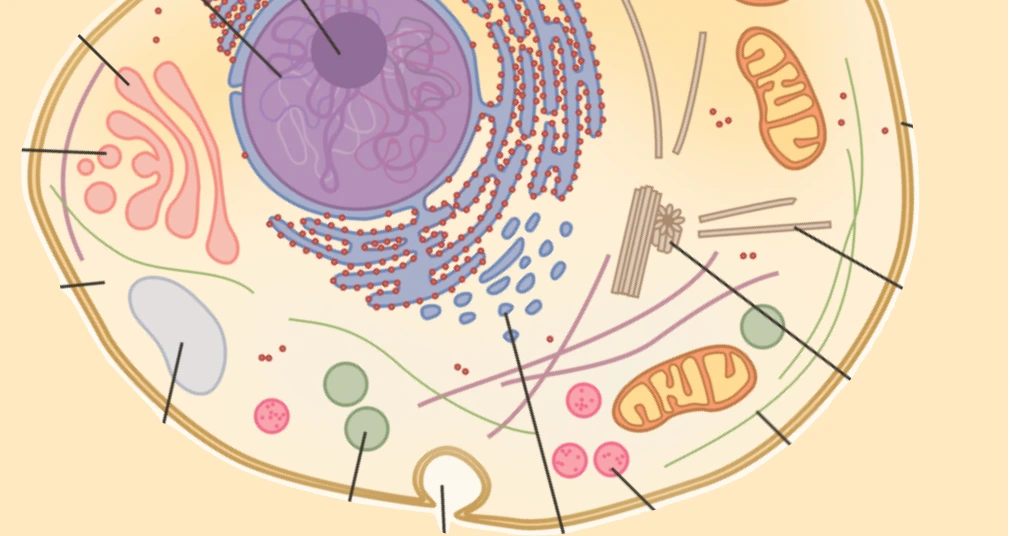
- The image used is licensed under the Creative Commons Attribution 4.0 International license. Author: OpenStax, Source: https://cnx.org/contents/FPtK1zmh@8.25:fEI3C8Ot@10/Preface (Wikimedia Commons).
*This article is an excerpt from the above mentioned book and Medical Sutras does not make any ownership or affiliation claims.